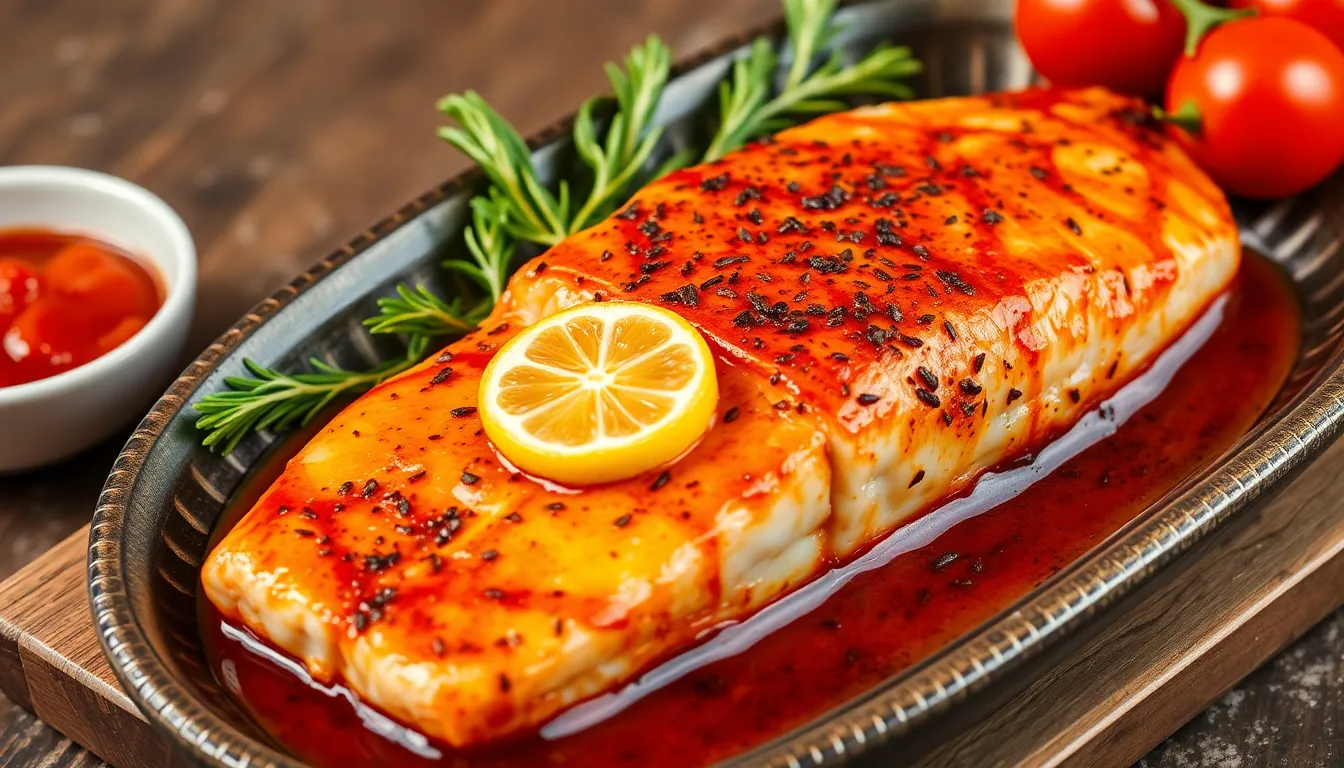
Braising with Herbs: Fresh Flavors for Your Dishes
I. Introduction
Braising is a cooking technique that combines both moist and dry heat, a method that has been cherished in kitchens around the world. It typically involves searing food in fat and then cooking it slowly in a covered pot with a small amount of liquid. This method is particularly effective for tougher cuts of meat and robust vegetables, allowing them to become tender and flavorful.
Herbs play a crucial role in enhancing the flavors of braised dishes. Fresh herbs, in particular, bring vibrant, aromatic qualities that dried herbs cannot fully replicate. This article aims to explore the benefits of using fresh herbs in braising, offering practical tips and delicious recipes to elevate your culinary creations.
II. Understanding Braising
A. Definition of Braising
Braising can be defined as a cooking technique where food is first browned in fat and then cooked slowly in a covered pot with a small amount of liquid. The result is a dish that is both tender and rich in flavor, as the cooking process allows the ingredients to meld together beautifully.
B. Differences between Braising and Other Cooking Methods
While braising shares similarities with other cooking techniques like stewing and roasting, it has distinct characteristics:
- Braising: Combines dry and moist heat; typically involves larger cuts of meat.
- Stewing: Involves smaller pieces of meat simmered in liquid; often uses more liquid than braising.
- Roasting: Involves cooking food in an oven with dry heat, usually without added liquid.
C. Ideal Ingredients for Braising
The beauty of braising lies in its versatility. Ideal ingredients include:
- Meats: Tough cuts such as chuck roast, brisket, pork shoulder, and lamb shanks.
- Vegetables: Root vegetables like carrots, potatoes, and onions.
- Liquids: Broth, wine, or a combination that adds depth and complexity.
III. The Role of Herbs in Braising
A. Types of Herbs Commonly Used in Braising
When selecting herbs for braising, it’s important to understand the difference between fresh and dried herbs, as well as their unique flavor profiles:
- Fresh Herbs: More vibrant and aromatic; often added at different stages of cooking.
- Dried Herbs: More concentrated flavor; typically added at the beginning of cooking.
1. Flavor Profiles of Various Herbs
- Rosemary: Pine-like and earthy; pairs well with meats.
- Thyme: Earthy and floral; complements both meats and vegetables.
- Basil: Sweet and peppery; great for tomato-based dishes.
- Bay Leaves: Herbaceous and slightly floral; excellent in soups and stews.
B. How Herbs Affect the Dish’s Overall Flavor and Aroma
Herbs contribute to a dish’s depth and complexity. They help balance flavors, enhance aroma, and add a freshness that breaks through the richness of braised foods. The aromatic compounds in fresh herbs can elevate the dining experience and make the dish truly unforgettable.
C. Health Benefits of Incorporating Fresh Herbs
Using fresh herbs not only enhances flavor but also adds nutritional benefits to your meals. Many herbs are rich in antioxidants, vitamins, and minerals. For example:
- Rosemary: Contains anti-inflammatory compounds.
- Thyme: High in vitamin K and good for respiratory health.
- Basil: Contains essential oils that support digestive health.
IV. Choosing the Right Herbs for Your Dish
A. Pairing Herbs with Proteins
When braising proteins, it’s essential to pair them with herbs that complement their flavors:
- Chicken: Thyme, rosemary, sage.
- Beef: Bay leaves, thyme, rosemary.
- Pork: Basil, thyme, parsley.
- Tofu: Basil, cilantro, mint.
B. Selecting Herbs for Vegetable-Based Braises
Vegetable-based braises can also benefit from herbs. Consider the following pairings:
- Carrots: Thyme, dill, parsley.
- Potatoes: Rosemary, garlic, chives.
- Eggplant: Basil, oregano, thyme.
C. Considerations for Regional Flavors
Regional cuisines often dictate the herbs used in braising. Here are some examples:
- Mediterranean: Oregano, basil, rosemary.
- Asian: Ginger, lemongrass, cilantro.
- Latin American: Cilantro, oregano, epazote.
HTML Table Section
| Herb | Best Pairings | Flavor Profile |
|---|---|---|
| Rosemary | Lamb, Chicken | Pine-like, Earthy |
| Thyme | Beef, Vegetables | Earthy, Floral |
| Basil | Pork, Tomato-based dishes | Sweet, Peppery |
| Bay Leaves | Soups, Stews | Herbaceous, Slightly floral |
V. Techniques for Incorporating Herbs into Braises
A. When to Add Herbs During the Cooking Process
The timing of when you add herbs can significantly impact the flavor of your dish. Generally:
- Early in the Cooking Process: Dried herbs or robust fresh herbs (like rosemary and thyme) are typically added at the beginning to infuse the liquid.
- Late in the Cooking Process: Delicate herbs (like basil, parsley, or cilantro) should be added towards the end to maintain their vibrant flavors.
B. Methods for Enhancing Herb Flavors
There are several techniques to maximize the flavor of herbs:
- Chopping: Release essential oils and flavors.
- Bruising: Lightly crush herbs to enhance aroma.
- Infusing: Soak herbs in oil or broth for deeper flavor.
C. Making Herb Sachets or Bundles for Easy Removal
For a convenient approach, consider making herb sachets or bundles:
- Herb Sachets: Use cheesecloth to hold herbs, tied securely. This allows for easy removal.
- Herb Bundles: Tie together stems of herbs like thyme or parsley and toss into the pot to flavor the dish.
VI. Delicious Braising Recipes with Fresh Herbs
A. Herb-Infused Braised Chicken
1. Ingredients
- 4 chicken thighs, bone-in, skin-on
- 1 cup low-sodium chicken broth
- 1 onion, sliced
- 4 cloves garlic, minced
- 1 tablespoon fresh rosemary, chopped
- 1 tablespoon fresh thyme, chopped
- 3 tablespoons olive oil
- Salt and pepper to taste
2. Step-by-Step Instructions
- Heat olive oil in a large, heavy-bottomed pot over medium-high heat.
- Season chicken thighs with salt and pepper. Brown the chicken, skin-side down, for about 5-7 minutes. Flip and brown the other side.
- Remove chicken and set aside. In the same pot, add onions and sauté until translucent.
- Add garlic and cook until fragrant, about 1 minute.
- Stir in chicken broth, rosemary, and thyme. Return chicken to the pot.
- Cover the pot and reduce heat to low. Let simmer for 30-40 minutes until chicken is tender.
- Serve with your choice of sides, drizzling the herbed broth over the chicken.
B. Braised Beef with Rosemary and Thyme
1. Ingredients
- 2 pounds beef chuck roast
- 1 cup red wine
- 1 cup beef broth
- 2 carrots, chopped
- 1 onion, chopped
- 4 cloves garlic, minced
- 2 tablespoons fresh rosemary, chopped
- 2 tablespoons fresh thyme, chopped
- Salt and pepper to taste
- 3 tablespoons olive oil
2. Step-by-Step Instructions
- Preheat your oven to 325°F (160°C).
- In a large Dutch oven, heat olive oil over medium-high heat. Season the beef with salt and pepper, then sear until browned on all sides.
- Remove the beef and set aside. Add onions and carrots to the pot, sautéing until soft.
- Stir in garlic, red wine, and beef broth, scraping any browned bits from the bottom.
- Add rosemary and thyme, then return the beef to the pot. Bring to a simmer.
- Cover with a lid and transfer to the preheated oven. Braise for 2.5 to 3 hours, or until the meat is fork-tender.
- Slice the beef and serve with vegetables, drizzled with the braising liquid.