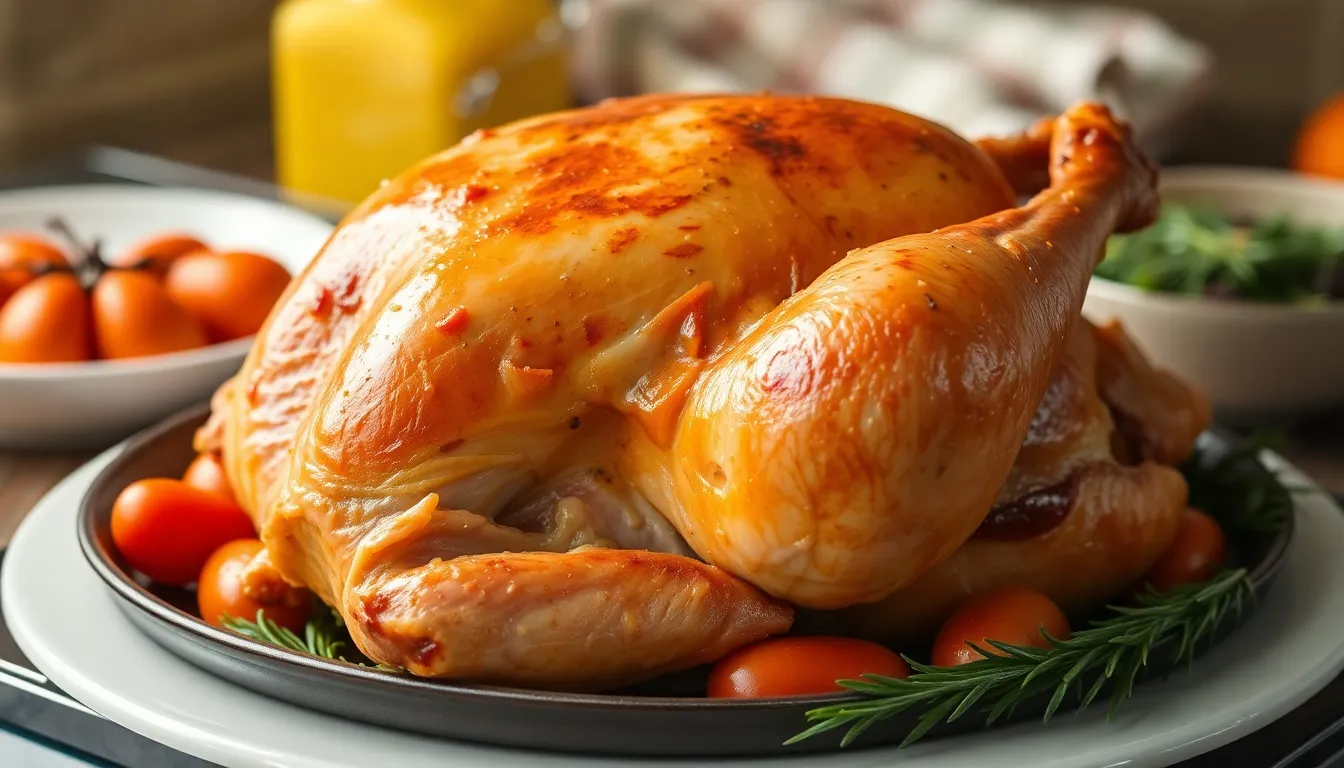
Braising 101: Essential Tools and Equipment
Braising is an age-old cooking method that transforms tough cuts of meat and hearty vegetables into succulent, flavorful dishes through a combination of dry and moist heat. This technique not only enhances the flavors but also makes the food incredibly tender. However, to achieve the best braising results, having the right tools and equipment is crucial. In this article, we’ll dive deep into the essentials of braising, along with recommendations to help you become a braising pro!
Section 1: What is Braising?
Braising is defined as a cooking method that involves first searing food at a high temperature, followed by a slow cooking process in a covered pot with a small amount of liquid. The combination of dry heat from the initial searing and moist heat from the covered pot works wonders in breaking down tough fibers, making it perfect for tougher cuts of meat, which are often more flavorful and more affordable.
The Science Behind Braising
The beauty of braising lies in the science of heat transfer. When you sear the meat, it creates a Maillard reaction, which enhances the flavor through caramelization. As the meat continues to cook slowly in a covered pot with liquid, the moist heat helps to tenderize it while infusing flavors from herbs, spices, and vegetables. This dual approach is what sets braising apart from other cooking methods.
Common Dishes That Utilize Braising
Some popular dishes that utilize braising include:
- Beef Bourguignon
- Osso Buco
- Coq au Vin
- Braised Short Ribs
- Braised Cabbage
Section 2: Key Equipment for Braising
Subsection 2.1: Braising Pots
The centerpiece of any braising operation is the braising pot. These are typically heavy-duty pots designed to retain heat effectively.
- Dutch Ovens: These versatile pots can be used on the stovetop and in the oven, making them ideal for braising.
- Heavy-Bottomed Pots: Look for pots that have a thick base to conduct heat evenly, preventing hot spots.
Recommendations for Materials
When selecting a braising pot, consider the following materials:
- Cast Iron: Excellent heat retention and distribution; perfect for slow cooking.
- Enamel-Coated Cast Iron: Combines the benefits of cast iron with a non-reactive surface.
- Stainless Steel: Durable and non-reactive, good for browning and deglazing.
Subsection 2.2: Heat Sources
Braising can be done on the stovetop or in the oven, and the choice of heat source can influence the final outcome.
- Stovetop Braising: Allows for more immediate temperature adjustments but requires constant attention.
- Oven Braising: Provides a steady, even heat but can take longer. Ideal for larger cuts of meat.
Importance of Adjustable Heat Sources
Whether you are using gas or electric, having adjustable heat sources is vital. Gas stoves allow for quick adjustments, while electric stoves provide consistent temperatures—ideal for slow braising.
Subsection 2.3: Thermometers
Temperature control is key in braising, which is where thermometers come into play.
- Instant-Read Thermometers: Quick and effective for checking the doneness of meat.
- Probe Thermometers: Can be left in the meat while cooking, providing real-time temperature readings.
Subsection 2.4: Utensils and Accessories
Having the right utensils can enhance your braising experience:
- Tongs: Essential for turning and lifting meat without piercing it.
- Wooden Spoons: Ideal for stirring and scraping the bottom of the pot.
- Ladles: Useful for serving and transferring broth or sauces.
Optional Accessories
Some optional accessories can also be beneficial:
- Strainers: Great for separating solids from sauces.
- Measuring Cups: For accurate liquid measurements.
Section 3: Optional, Yet Beneficial Tools
Subsection 3.1: Slow Cookers and Instant Pots
Slow cookers and Instant Pots have become favorites in many kitchens for their convenience and ease of use.
Overview of How These Can Simplify Braising
Both tools simplify the braising process, allowing you to set it and forget it. They provide controlled, low cooking temperatures, making them ideal for tenderizing meats.
Pros and Cons of Using Them for Braising
| Pros | Cons |
|---|---|
| Set it and forget it | May lack the depth of flavor achieved through traditional methods |
| Energy efficient | Limited browning capabilities |
Subsection 3.2: Cast Iron Skillets
While they are not typically used for braising, cast iron skillets can be beneficial for the initial searing process.
Benefits of Using Cast Iron for Searing
Cast iron skillets are excellent at retaining heat, making them perfect for achieving a good sear before transferring to a braising pot.
Recommendations for Brands and Sizes
Some popular cast iron skillet brands include:
- Le Creuset (various sizes)
- Staub (round or oval)
- Lodge (affordable and durable)
Section 4: Care and Maintenance of Braising Equipment
Proper care and maintenance of your braising equipment will ensure longevity and optimal performance.
Cleaning and Maintaining Cast Iron Pots
To maintain cast iron pots, follow these steps:
- Do not use soap; instead, scrub with a stiff brush and hot water.
- Dry immediately to prevent rust.
- Season periodically with vegetable oil to maintain the non-stick surface.
Proper Storage Tips for Braising Equipment
For storage:
- Store pots in a dry, cool place.
- Use pot protectors between stacked pots to prevent scratching.
Section 5: Summary of Essential Braising Tools
| Tool | Description | Recommended Material |
|---|---|---|
| Braising Pot | Heavy pot for slow cooking | Cast Iron, Enamel-Coated, Stainless Steel |
| Thermometer | For checking internal temperature | Digital, Instant-Read |
| Wooden Spoon | For stirring and serving | Wood, Bamboo |
| Tongs | For turning and lifting food | Stainless Steel, Silicone |
In conclusion, braising is not only a delicious cooking method but also an art form that requires the right tools to master it. Investing in quality braising equipment and understanding their purpose will elevate your cooking, enabling you to create tender, flavorful dishes that will impress your family and friends. Happy braising!