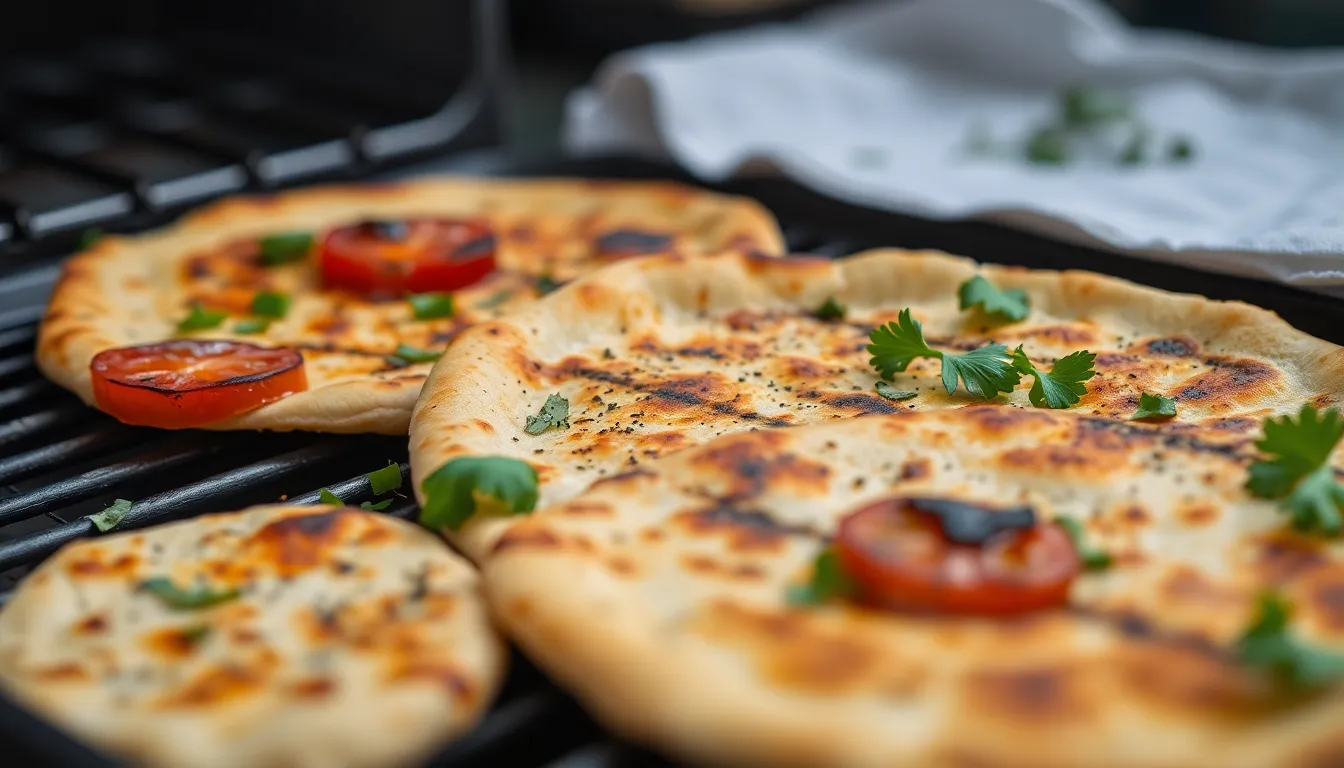
Broiling with Herbs: Elevate Your Dishes with Fresh Flavors
Introduction
Broiling is a cooking method that utilizes high, direct heat to cook food quickly and efficiently. It’s similar to grilling but with the heat source above the food rather than below. This technique not only helps in sealing in the juices but also creates a delightful caramelization on the surface of the dish, enhancing both flavor and texture.
Herbs play a crucial role in the culinary world, acting as flavor boosters that can elevate even the simplest of dishes. Fresh herbs, in particular, offer vibrant flavors and aromas that dried herbs often lack. In this article, we will explore how to effectively use herbs to enhance your broiling experience, delve into the nuances of various herbs, and provide you with mouthwatering recipes that will make your taste buds sing.
Section 1: Understanding the Broiling Technique
Broiling involves cooking food using high heat from above, which is typically achieved in an oven. This method is ideal for cooking meats, vegetables, and even fruits quickly while achieving a deliciously charred exterior. Here are some key benefits of broiling:
- Quick Cooking: Broiling is one of the fastest cooking methods, making it perfect for weeknight meals.
- Caramelization: The direct heat helps achieve a caramelized exterior that adds depth to the flavor.
- Healthier Cooking: Excess fat drips away during the broiling process, making it a healthier option.
- Versatility: Almost any food can be broiled, including meats, fish, vegetables, and even fruits.
Ideal foods for broiling include:
- Meats: steak, chicken, pork, and lamb
- Fish: salmon, tuna, and shrimp
- Vegetables: bell peppers, zucchini, and asparagus
- Fruits: peaches and pineapples
Section 2: Choosing the Right Herbs
When it comes to using herbs, the choice between fresh and dried can make a significant difference. Fresh herbs tend to have a more vibrant flavor and aroma, while dried herbs are more concentrated. Understanding the flavor profiles of various herbs can help you select the right ones for your dishes.
Here’s a quick overview of popular herbs and their flavor profiles:
| Herb | Flavor Profile | Best Used With |
|---|---|---|
| Basil | Sweet, slightly peppery | Tomato dishes, salads |
| Thyme | Earthy, minty | Meats, stews, roasted vegetables |
| Rosemary | Pine-like, woody | Lamb, potatoes, bread |
| Oregano | Spicy, robust | Pizzas, pasta, grilled meats |
| Parsley | Fresh, slightly peppery | Garnishes, salads, dips |
When selecting fresh herbs at the market, consider the following tips:
- Look for vibrant, green leaves without any yellowing or wilting.
- Smell the herbs to ensure they have a strong, fresh aroma.
- Choose herbs that are in season for the best flavor.
Section 3: Preparing Your Ingredients
Preparing herbs for broiling involves a few simple techniques. Here’s how to effectively prepare your herbs:
- Chopping: Finely chop fresh herbs to release their oils and enhance their flavor.
- Bruising: Gently bruise herbs like basil and thyme to maximize their aromatic properties.
- Mixing: Combine various herbs to create unique flavor profiles tailored to your dish.
When it comes to using herbs, you have two primary methods: marinating and seasoning. Marinating infuses meats and vegetables with flavor over time, while seasoning is best for adding a burst of flavor just before broiling.
Recommended ingredients to pair with herbs include:
- Olive oil
- Lemon juice
- Garlic
- Salt and pepper
Section 4: Broiling Techniques with Herbs
Now that your ingredients are prepared, it’s time to dive into the broiling process. Follow these step-by-step guidelines for successful broiling with herbs:
- Prepping the Broiler: Preheat your broiler to high, ensuring the rack is located about six inches from the heat source.
- Arranging Ingredients: Place your seasoned or marinated ingredients on a broiler-safe pan or baking sheet. Ensure they are spaced out to allow heat circulation.
- Timing and Temperature: Broil meats for about 6-8 minutes per side, depending on thickness. Vegetables typically need 5-10 minutes, while fish may take 4-6 minutes.
Section 5: Delicious Broiling Recipes
Recipe #1: Herbed Broiled Chicken
Ingredients:
- 4 chicken breasts
- 1/4 cup olive oil
- 2 tablespoons chopped fresh rosemary
- 2 tablespoons chopped fresh thyme
- 4 cloves garlic, minced
- Salt and pepper to taste
Instructions:
- In a bowl, whisk together olive oil, rosemary, thyme, garlic, salt, and pepper.
- Add the chicken breasts to the marinade and let sit for at least 30 minutes.
- Preheat the broiler and arrange the chicken on a broiler pan.
- Broil for 6-8 minutes on each side or until fully cooked.
Recipe #2: Broiled Salmon with Dill and Lemon
Ingredients:
- 4 salmon fillets
- 2 tablespoons olive oil
- 2 tablespoons fresh dill, chopped
- 1 lemon, sliced
- Salt and pepper to taste
Instructions:
- Drizzle olive oil over the salmon fillets and season with salt and pepper.
- Spread the chopped dill over the fillets and top with lemon slices.
- Place the salmon on a broiler pan and broil for 4-6 minutes, depending on thickness.
Recipe #3: Broiled Vegetables with Garlic and Thyme
Ingredients:
- 2 cups mixed vegetables (zucchini, bell peppers, mushrooms)
- 2 tablespoons olive oil
- 2 tablespoons fresh thyme, chopped
- 4 cloves garlic, minced
- Salt and pepper to taste
Instructions:
- In a bowl, combine the mixed vegetables, olive oil, thyme, garlic, salt, and pepper.
- Toss to coat the vegetables evenly.
- Spread the vegetables on a broiler pan and broil for 5-10 minutes, stirring halfway through.
Section 6: Tips for Success
While broiling is a straightforward cooking method, there are common mistakes to avoid:
- Overcrowding the broiler pan can lead to uneven cooking.
- Not watching the food closely can result in burning, given the high heat.
- Using too many strong-flavored herbs can overpower the dish; balance is key.
To store leftover herbs, wrap them in a damp paper towel, place them in a plastic bag, and refrigerate. They can also be frozen in ice cube trays with olive oil for future use.
When it comes to pairing wines and side dishes with broiled herb dishes, consider:
- Light white wines like Sauvignon Blanc for fish dishes.
- Full-bodied reds like Cabernet Sauvignon for hearty meats.
- Simple side salads or roasted potatoes to complement the broiled flavors.
Conclusion
By incorporating fresh herbs into your broiling techniques, you can take your culinary creations to the next level. The vibrant flavors can transform a simple meal into a gourmet experience. Don’t hesitate to experiment with various herbs and combinations to discover your favorite flavors. Let your creativity shine in the kitchen!
Feel free to share your broiling experiences and favorite herb combinations in the comments below. Happy cooking!
Additional Resources